When the 4/4 Pullout Sand Stuck Situation Turns Serious: A Dubai Recovery Guide
Desert driving in Dubai offers a unique kind of freedom. The open dunes, the long sand tracks, and the quiet hum of a capable vehicle beneath a wide sky. But that freedom comes with a hard edge. One wrong line, a sudden drop in tire pressure, or a moment of overconfidence and you find yourself in a 4/4 pullout sand stuck situation that turns a pleasant afternoon into a test of patience and resourcefulness.
I have been involved in off-road recoveries across the UAE for the better part of a decade. I have seen the same mistake repeated by drivers of all experience levels: underestimating the sand. A 4/4 pullout sand stuck is not simply a case of being stuck. It is a specific kind of trouble where the vehicle has dug itself in so deep that the chassis rests on the sand, the wheels have lost all traction, and a standard pull from a single vehicle will not work. It requires a methodical approach, the right gear, and often a dedicated recovery vehicle with a winch and sand mats to get out.
Why a 4/4 Pullout Sand Stuck Is Different
A light stick in soft sand can often be solved with a recovery strap and a steady tug from a friend. But a 4/4 pullout sand stuck means the vehicle has settled. The belly is on the ground, the wheels are spinning in a hole they have dug themselves, and the sand around the tires is packed hard by the spinning action. In this condition, a simple tow can cause damage to the recovery points or the frame if done without preparation.
The first mistake people make is to keep spinning the wheels. This only digs the vehicle deeper and makes the job harder for the recovery team. I have arrived on scenes where a driver has been spinning for twenty minutes, and the vehicle is now sitting in a crater that takes twice as long to clear. The moment you feel the vehicle stop moving forward, stop. Assess. Do not make the problem worse.
Gear That Makes the Difference
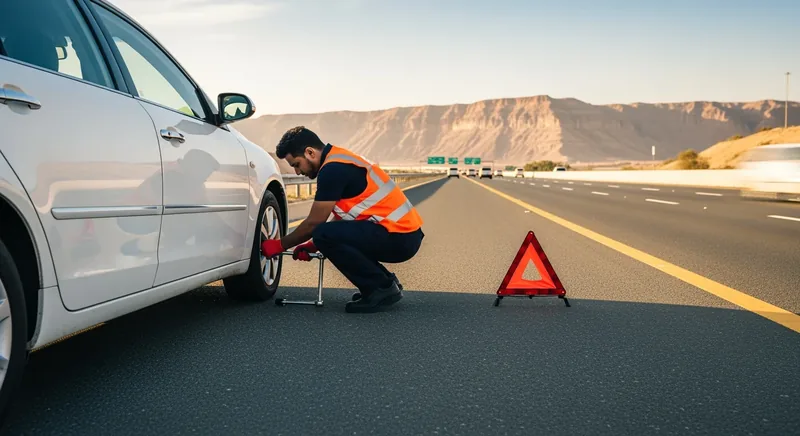
Professional recovery in Dubai relies on a handful of tools that are not optional when dealing with a deep sand stuck. A recovery vehicle with a powerful winch is the backbone of any serious extraction. But the winch alone is not enough. Sand mats or recovery boards placed under the wheels give the vehicle something to grip. They spread the weight and provide a solid surface for the tires to bite into. Without them, even a strong winch can pull the vehicle sideways or cause it to dig in again.
A recovery strap rated for the vehicle's weight is essential. Cheap straps snap under load and become dangerous projectiles. I have seen a snapped strap take out a rear window and narrowly miss a bystander. Use a rated strap, inspect it for wear, and never tie knots in it. The anchor point on the stuck vehicle should be a dedicated recovery point, not a tow ball or a suspension component.
Another critical piece is tire deflation. Reducing tire pressure increases the footprint of the tire and allows it to float on top of the sand instead of digging in. Many off-roaders in the UAE already know this, but I still meet drivers who run full highway pressure in the dunes. Dropping to 15 or even 12 psi can make the difference between a self-recovery and a call for a tow truck.
Reading the Sand Track and the Dune
Not all sand is the same. In Dubai, the sand around Al Ain is different from the sand near the Liwa desert. The consistency changes with moisture, temperature, and recent traffic. A sand track that looks firm may have a soft layer just beneath the surface. I have watched experienced drivers walk a track before driving it, testing the sand with their feet. It sounds old-school, but it works. If your foot sinks past the ankle, that sand will swallow a vehicle.
When you are stuck on a dune, the angle matters. A sideways pull can roll the vehicle if the anchor point is too high or too low. The recovery operator needs to judge the pull angle and often needs to reposition the recovery vehicle several times to get it right. That is why a single tow from a passing 4x4 is rarely enough for a 4/4 pullout sand stuck. The recovery needs to be staged, with the winch line kept as straight as possible and the pull made in increments.

24/7 Roadside Assistance and the Role of Professional Recovery
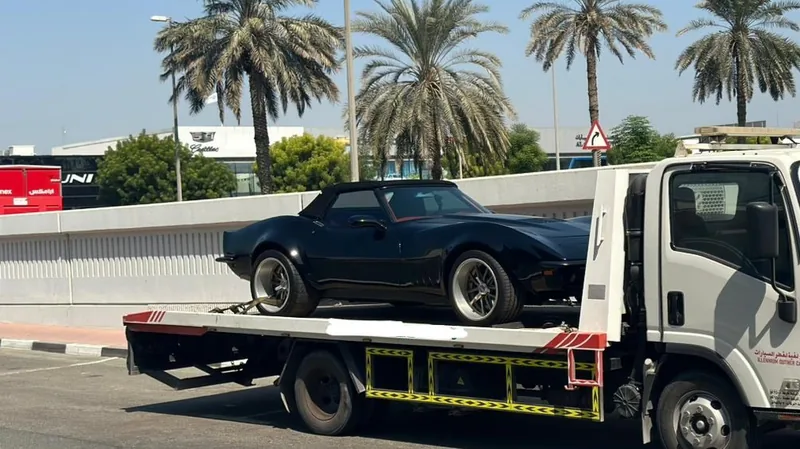
For most drivers in Dubai, the smart move when faced with a serious sand stuck is to call for professional help. Companies like Car Recovery Dubai offer 24/7 roadside assistance that covers not only standard breakdowns but also off-road recovery. They send a recovery vehicle with the right equipment: winches, sand mats, straps, and the experience to read the situation. They handle everything from a simple pull on a flat sand track to a full extraction from a deep dune bowl.
The beauty of a professional service is that they also handle heavy vehicle recovery. If a construction truck or a delivery lorry strays onto soft sand and gets stuck, the same principles apply but with much higher stakes. The recovery vehicle needs to be properly rated, the anchor points need to be secure, and the pull needs to be slow and controlled. I have seen heavy vehicle recovery operations that took hours, with multiple winch pulls and careful repositioning of sand mats to protect the ground and the vehicle.
Emergency towing on a highway is straightforward compared to off-road recovery. On the road, the tow truck connects and pulls. In the sand, every variable changes. The sand itself moves under the wheels. The vehicle can shift unexpectedly. The weather can turn, with wind reducing visibility and making communication difficult. That is why a professional team is worth calling. They have done it before, in all conditions, at any hour.
Motorcycle Recovery in the Desert
Motorcycle recovery is a special case that deserves mention. A bike stuck in soft sand is easier to extract than a car, but it comes with its own challenges. The bike can tip over, damage the engine, or bury itself if the rider keeps trying. The recovery team often uses a small winch or even manual effort to lift the bike and slide a sand mat underneath. Then they pull it out gently, with the rider ready to keep the bike upright. Motorcycle recovery in the dunes requires patience and a light touch. Car Recovery Dubai handles these cases routinely, and the same 24/7 roadside assistance network covers them.
Practical Advice for Desert Drivers
If you drive in the Dubai desert, carry a few basic items: a recovery strap, a shovel, a tire deflator, and at least two sand mats. Know where your vehicle's recovery points are located. Practice attaching a strap before you need to do it in the dark. And if you feel the vehicle starting to sink, stop immediately. Do not gun the engine. Do not let the wheels spin. Call for help early. The cost of a professional recovery is far less than the cost of repairing a damaged vehicle or injuring someone.
The phrase "4/4 pullout sand stuck" describes a specific situation that many drivers will face at least once if they spend time in the dunes. It is not a sign of poor driving. It is a sign of being where the sand is deep and the conditions are real. The measure of a good driver is not that they never get stuck. It is how they handle it when they do.
I have been stuck myself more times than I can count. Each time taught me something about the sand, the vehicle, or my own judgment. The desert is a patient teacher. It rewards preparation and punishes pride. The next time you see a vehicle sitting low on a dune with its belly on the sand, you will know what is happening. A 4/4 pullout sand stuck is a job for a recovery vehicle with a winch, sand mats, and someone who knows how to use them. In Dubai, that help is never far away.